


Retired Boomers & Seasoned Tenants: Needing People Who Get Things Done
“The information learned while attending college is meaningless to employers; the college degree itself is the prize. It shows you were smart enough to figure out how to graduate.”
(My late brother, Gregg Furniss)
My wife and I were coming back from a weekend trip recently and stopped in for a “quick” bite to eat at a roadside Wendy’s. Oh, I was psyched to take down my chocolate Frosty.
We were waiting in line inside the restaurant and started to talk to some older gentlemen behind us. I had my UNC sweatshirt on and they were making some small talk about the upcoming basketball game that night. They were nice guys, probably retired, as they seemed to have no issue with the 20-minute wait.
Me, on the other hand… I tried to game the system and quicken things up. I popped out the Wendy’s app on my phone and ordered from there, hoping to just nod at the cashier and pick up our order when we eventually got to the front of the line. But, as it turned out, things didn’t pan out as expected…
Cashier: Welcome to Wendy’s! How can I help you?
Me (smartly): I ordered on the app (and picked up a free large French fry for doing so too) and already paid for it. It should be under “Brett”.
Cashier: Oh… mobile ordering hasn’t worked in weeks. Can I take your order?
Me: But I already paid…
Cashier: Oh? You’ll have to figure out how to cancel your order.
Me: It already ran my credit card. How does one cancel the order when the app says it’s already in my “order history”?
Cashier: Not sure.
Me: OK… I guess we’ll order and pay again (and forfeit the free fries for mobile ordering…)
And when we finally got the food, the order was wrong. From a customer perspective, it was a fail. However, anecdotally-speaking for current retail establishments, this seems to be par for the course due to COVID-related employment shortages.
I thought of those older guys behind me. They seemed to be smart (they’re UNC fans!) and unemployed. And I’d argue underutilized. I wanted to make a passionate plea- we need you guys!
When Boomer-bashing became in vogue recently, it was largely unfounded. These guys (and gals) helped build this country. They’ve got skills we’re sorely lacking right now (especially on the retail front)- they have a track record of getting things done! Every time I’m getting frustrated trying to buy stuff in person, I’m thinking I want to fill out an application and help the establishment do things right.
But as a Gen Xer, I’m in the thick of it. I’ve got a job, two young kids, and don’t have the time to take it on. But our country has millions of unemployed, well-enabled potential workers on the sidelines. We need you, retired Boomers! Help us! Your wisdom and leadership would make a world of difference. You’ve worked for years in different environments and persevered. You could help train up broken places of business and be helping co-workers and society in general. You got things done and we are in a place where we need people to do just that. And it could be fun!
Experience counts. And it counts with rental tenants too.
When looking at rental applications, there are a lot of schools of thought on what to look for to secure the best tenants. We look at credit scores, criminal background, income, employment, and landlord history. But as someone who has done this for a while, landlord history trumps everything. Do they show a pattern of paying on-time and staying around for a while?
For example, if a prospective tenant has rented somewhere for 6 years and has largely paid a comparable rental rate on time, my expectation would be that they would continue to do so in one of our rental homes. Unless there was something completely out of whack in the other screening checks, I’d take them in a heartbeat. Low credit score? If they’ve gotten the rent paid for 6 years straight, they’re probably a good bet.
Generally-speaking, most of our owner clients want tenants who are longer term, do small repairs on their own, maintain the property well, and pay regularly. These seasoned tenants typically have rented for years and know how to be good occupants. They ask for help when needed, but understand the game. They take care of their end and we take care of ours. Everyone wins.
As a society, we need good employees. As a property manager, we need good renters. People with a history of accomplishment are valuable.
Happy Landlording!
Learn More
Rental Homes: You Break It, You Bought It?
“The “Pottery Barn Rule” is an American expression alluding to the policy of “you break it, you bought it” or “you break it, you remake it”, by which a retail store holds a customer responsible for damage done to merchandise on display. It generally ‘encourages customers to be more careful when handling property that’s not theirs.’”
Wikipedia definition of the “Pottery Barn rule”
I think every parent has there own story on this concept. My version comes in “Hobby Lobby” when my young son smashed a glass Christmas vase while “admiring” it. I was within a 50-yard radius (which apparently puts me in the “bad” or “absentee parent” category); I heard the crash and prayed no Furniss was involved. I wasn’t so fortunate.
The next step was to ‘fess up to a cashier or store manager. As I searched the available employees up front, I was left with the strategic decision of who to approach:
- The 17-year old (does he look apathetic or one that would stick me with store policy?)
- The middle-aged woman (does it look like she might sympathize/empathize? Or is she the type that makes an example of a parent who prioritizes reading “Calvin & Hobbes” ornaments over watching his kids on the other side of the store?)
The downside of either was $17.99 + tax and a stern look. The upside was getting off with a warning. I approached the front gingerly and dutifully offered to pay.
“Don’t worry about it! It happens all the time!”, the middle-aged woman cheerfully chirped. “Chip! Go clean up aisle 5.” The 17-year old gave me a look and grabbed a broom. Mercy won out.
One of the hardest things of being a property manager is the security deposit dispensation after a tenant moves out. Homes are rarely left in perfect shape which leaves the owner paying a bill to get the rental home back in market shape. The question that is left is how much of the bill should the tenant shoulder and how much falls under “normal wear and tear”, which is legally permitted.
The problem is that nothing in a house costs $17.99! Things are expensive. Steam cleaning a carpet costs a few hundred dollars; if the carpet needs to be replaced, it’s now in the realm of thousands of dollars. The costs are similar for painting- touch-up can be much less versus a full paint job, but it’s still in the several hundred dollar range.
Very few tenants ‘fess up and offer to replace the carpet or paint the house after they vacate. In fact, most say that the “place was like that when they moved in” and not getting their full security deposit back is nothing short of an injustice. Property managers tend to utilize pictures/videos and tenant-filled out “move-in inspection reports” to document what the home looked like prior to home occupation. These are helpful to ascertain the truth.
Regardless, costs can be high if a home is not taken care of. And if not, there can be a large degree of sticker shock when a tenant receives a bill for repairs that runs in excess of their security deposit. How could this happen?
The components of homes are expensive. And someone needs to fit the bill. The assumption can’t be made that the landlord pays for everything short of a wall being knocked down. “Normal wear and tear” cuts both ways. Abnormal wear and tear is costly and the tenant is legally responsible for it.
It is a win-win when a landlord can return a non-docked security deposit to a tenant- trust me! Then no one needs to shell out funds to repair folks and a house can be turned over for another family to move into; this is the most desirable and profitable outcome for all involved.
But, with rental homes, if you break it, you bought it. It may “happen all the time!”, but someone has to pay the piper and most home issues are not cheap to fix. Smashing a $17.99 Christmas vase is one thing, but see what the “Hobby Lobby” cashier says if your kids clip the branches of their $2K “Super-Deluxe” Christmas tree.
Happy Landlording!
Learn More
Comfort of Old Cars & Non-Perfect Rental Homes: Does Anyone Care?
“Champagne tastes with beer budgets.”
Common real estate agent lament
I drive an old car. And it has lots of miles (almost 300K!). I’m reminded of this from time to time:
“Dude, seriously? You’re driving that? Don’t you want to step things up a little?”
An old friend
“You thinking about buying a new car soon? I only ask because I’m looking to buy a car for my teenager and thought you might be interested in selling… How does it run?”
Pastor at my church when I saw him in the parking lot
I get it. Nothing looks like success more than a new, nice car. If you want people to think that you’re the “property manager to the stars”, you shouldn’t be driving a beater. Realtors especially lock into this mindset. A nice car means lots of closed sales. “You look good, you feel good, you sell good” as the old salesperson mantra goes.
But there are positives to driving a beater. First there’s an overall peace of mind (if it doesn’t breakdown). For example, when I take things out of my car, I don’t particularly care if it scratches the paint or rips the seat. When I walk out of the supermarket and someone has dinged my door, I’m OK. When my young kids spill something in the backseat, I’m not reading them the riot act. I’m cool. No worries.
There’s also the financial piece. There are no car payments. The taxes are low. Occasional repair bills are taken in stride as they are lower then having a new car. Insurance is lower with a “liability-only” policy. I’m not worried about additional miles detracting from the value of the car.
Most people don’t subscribe to my “peace of mind” thinking. They want to look cool. I’m OK with that, to a point.
I see a similar thought process play out in rental homes. As rental rates continue to rise significantly annually (in the Charlotte-metro area, newly offered rents increased 16.7% from September 2020 to now per CoStar), the tenant income levels needed to support the higher rents also need to rise significantly. But people’s incomes are not going up 15%-20%. This is where all the press about the lack of affordable housing comes from. Renters are becoming “severely cost-burdened” where over 50%+ of their incomes are going to housing costs. That’s a huge percentage (which many experts call a crisis).
What has contributed to this crisis? One factor is the decision a landlord is generally left with after their tenant moves out and they are preparing the house for the next tenant. Do they spend a lot of money to make the rental house look great (full paint jobs, new carpet, new appliances, etc.) or do they try to “let it ride” (minimal to no touch-up paint, steam clean carpets, entry level appliances, etc.)? I think with all the HGTV housing television shows, many owners decide to fully refurbish their rental homes. By employing this strategy, they are looking to get top rent when it goes back on the market.
This only works when tenants play along. Tenants need to be willing to sacrifice a higher percentage of their incomes for a nicer, updated home.
And they are! Even when they clearly can’t afford it.
When some of our clients “let it ride”, we accordingly price the house lower. The owner chooses to accept below-market rents to avoid a pricey fix-up bill. They play the long game; every year that goes by, they use the rents to lower their mortgage payment until it goes away (that’s when the landlord game gets a lot more fun!). And as a bonus for the tenants, they keep more of their money. They also get a lot more leniency on their security deposit deductions as the house is already worn, so any mishaps they inflict on the house aren’t so noticeable or costly when they move out.
But many tenants choose not to make this trade-off. “The carpet is stained! The walls have some scratches! The refrigerator is old!” Um, that’s why it is priced lower.
Most tenants don’t seem to care. Frankly, it’s shocking to me. I’ve expected more tenants to happily make the trade-off for the peace of mind it offers.
Old cars may not look cool, but they may allow for a cooler, more peaceful life. But if this line of thinking has little appeal, I suppose landlords need to give people the housing they want.
Happy Landlording!
Learn More
Getting Rental Turns Right the First Time with Perfect Practice
“Never mistake activity for achievement.”
John Wooden (legendary UCLA basketball coach)
A popular maxim says that if you want to be wealthy, keep things old:
- Old Car
- Old House
- Old Wife
When you get things right the first time, it saves a lot of money! I’d also add “Old Tenant” to the list…
It’s also been said that “practice makes perfect.” Athletic gurus (originally attributed to Green Bay Packers coach, Vince Lombardi) have amended that to “perfect practice makes perfect.” The reasoning is that if poor technique is being practiced, more practice could potentially make one worse.
The same can be said of turning homes for rent (I’d say selling them too, but it seems like if your house was on fire in Charlotte, it would still receive multiple offers).
It makes sense that the longer a rental home is on the market, the better the chance is that it will rent. More potential exposure equals more showings which would equal more applications and a quicker turn between tenants. More time on the market (practice) automatically equates to better results (perfect). But I don’t think that the market always bears this out.
So having a home on the market for rent for a longer time can be sub-optimal? Why?
Most of the time, to increase the days on market, the days are taken from when the rental home is tenant-occupied or while it is vacant and repairs are being completed. This is usually when the house is not in optimal condition. So rental ads are urging people to see a home that isn’t in great shape.
This matters for several reasons:
- Great tenants care about the condition of the house. They are very interested in their living environment and value well-kept domiciles. These types of tenants typically return the home in as good or better shape than when they moved in. We really like these meticulous tenants! They usually pay before the 1st of the month too.
- The manner in which the internet home search game works warrants putting out the best product first. Prospective tenants typically set up search parameters and are alerted when rental homes come to market that fit their profile. So when a home is initially put on the market, this should precipitate the biggest surge of showings. If the home is hard to get into (tenant-occupied) and/or looks disgusting (being cleaned and repaired), they will visit and pass on the unit. Or the wrong type of tenants who aren’t bothered by the poor condition will put an application in.
- Homes on the market for a long time tend to get stale. People wonder what is wrong with the house when it keeps coming up in searches for months and hasn’t been snapped up.
A caveat to this: I don’t have a big issue going to market while a home is tenant-occupied (this does not factor in COVID considerations). If the tenant that is there is cooperative with showings, it is essentially free time to market the house. It’s a great feeling to approve a tenant during this time and time their move-in a week after the current tenant vacates (allowing time to get the home in shape for a new occupant). But #1 above can still apply if the home is in poor shape.
In short, for optimal results, wait until the house is fixed up and at its best, then go to market. Get the rental house right the first time and practice perfectly!
Happy Landlording!
Learn MoreReplace the Butter with Margarine and Nix the Washer & Dryer Please

Americans demand to have their food made-to-order. We no longer live in a culture where you eat what’s put in front of you; rather if you don’t like an ingredient and would prefer to have other ingredients instead, it is deemed socially acceptable to make the food preparer bend to your individual whims. Burger King based a multi-million dollar advertising campaign on (and trademarked the phrase) “Have It Your Way,” and now every restaurant does the same. I feel for the workers in the restaurant industry who have to put up with all of us creating our own menus.
I read an article about how the French chefs despise American tourists even more now. We walk into their 5-star restaurants, look at the menus (which we expect to be written in English), and have conversations like this:
American Tourist: How’s the escargot?
French Waiter: Magnifique!
Tourist: What are the snails cooked in?
Waiter: Excusez-moi?
Tourist: I mean, I’m trying to cut down on butter, so I’d prefer the chef uses low-fat margarine… butter is bad for the heart, you know. And garlic gives me gas, so let’s cut that out too if it’s in there… Try to keep the salt to a minimum. And were these snails bred and treated humanely before bring cooked?
Waiter: Sacre bleu!
This thinking has permeated into real estate as well. At BDF Realty, we were selling a house for one of our Charlotte property management clients. An investor came on to the scene who loved the house and wrote a contract to buy it. It was a great offer and we wound up accepting it with minimal negotiation. However, the investor did have one demand that caught me off guard and was not negotiable- the washer & dryer needed to be out before closing.
Now, if the washer & dryer were on their last legs, I’d understand. But our client had bought these about a year ago; it was a nice set that worked perfectly. But the investor was adamant that they needed to go. So, it made me ponder: why wouldn’t the investor want these as an asset for his future tenants?
I thought about the prospective Charlotte tenants who contact us to rent our houses. Not many of them ask about a washer & dryer. I don’t think we’ve ever had a deal fall through because a house didn’t have them. We’ve had conversations with prospective tenants about the issue of moving the washer & dryer that was already in the house so they could use their own that they were bringing (that’s a pain!). And having a washer & dryer in the house didn’t allow us to charge more rent.
Furthermore, I recall the repair requests we get from tenants who have washer & dryers our owners provide. We send out appliance repair people that, at times, have cost our owners hundreds of dollars. Sometimes the washer & dryers are not repairable and have to be replaced which costs our owners even more money and drains their ROI.
So, if tenants don’t act like they want washers & dryers and it costs our owners money to have and maintain them, maybe this investor was on to something? He makes a compelling case to get washer & dryers out of rental homes and let the tenants fend for themselves.
Maybe it is smart to “have it your way” when you’re buying. Experts do say that too much butter is bad for the heart!
Happy Landlording!
Brett Furniss is the head property manager of BDF Realty (Charlotte Residential Property Management), the trusted real estate advisor for Charlotte landlords & Home of $100 Flat Fee Property Management. BDF Realty utilizes their innovative Pod System for exceptional customer service in residential property management, home repairs, and home sales for single-family homes, Uptown condos, and town homes in the Charlotte-Metro Area. Contact Us Today!
Learn More#1 Way to Fill Rental Homes Quickly
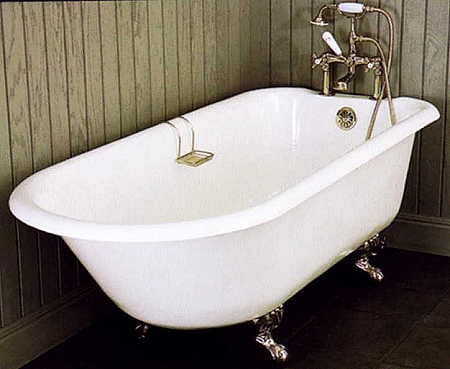
Concerned rental home owners are wondering how to best fill their rental properties quickly. So are property managers.
“Everyday my house is empty costs me money! Besides the mortgage payment, it’s the other things that are absolutely killing me- utilities with this unusually cold and snowy winter, HOA dues rising, you name it. I need someone renting (or buying) my home!” is a common lament from homeowners with a vacant home on the market.
As a real estate investor and property manager in Charlotte, I feel your pain. I don’t like vacancies anymore than you. But there is a simple way to make your home attractive. And it addresses the most heard complaint, by far, that I hear about houses and why prospective tenants pass on them. And just what is this revelatory nugget?
Cleanliness. That’s it. Houses are typically not clean. Actually, it’s not that they are not clean technically. It’s that they are not clean enough. Prospective tenants want to see sparkle. They want to see their unblemished reflections coming off of stainless steel. They want to be able to eat off the floors. They want to lap cool spring water out of the toilets (well, I may be pushing it now…). The point is that they really like the houses to be much cleaner than they would normally keep them.
Recently, we switched to a different cleaning service that was more expensive. I would never think of adding expenses to our owner clients (especially in this economy), but I felt that our homes were not standing out as the rental market continued to get more and more crowded.
And it worked. I noticed our rate of conversions of visits to completed applications went up dramatically. This has gone on for months. Thorough, deep-cleaning was more effective than lowering the rental price. This has been especially effective for our rent-to-sell program where people want to fall in love with the house they are potentially buying.
I would challenge you to give it a try. When a house has been on the market for a while and has been getting visits (but no completed applications), resist the urge to lower the price and just pay the dollars to give the rental home a thorough scrubbing (or do it yourself, though I recommend professionals). See if it works!
Cleanliness is next to godliness, the saying goes. Reap the benefits of a shorter courting period with prospective tenants!
Brett Furniss is the President & Owner of BDF Realty (Charlotte Residential Property Management), the trusted real estate advisor for Charlotte landlords. BDF Realty utilizes their innovative Pod System for exceptional customer service in residential property management, home repairs, and home sales (including Rent-To-Sell) for single-family homes, condos, and town homes in the Charlotte-Metro Area. Contact Us Today!
Learn MoreCharlotte Property Management Monthly: Everyone Loves Pets (Except Landlords): 3 Reasons Maybe They Should Too

“Oh, did you see Fluffy. He’s so cute! He’s practically part of the family.”
(Most pet owners)
“Pets in my house? Never!”
(Most landlords)
Almost everyone loves pets. Some people are dog people. Some are cat people. And some like the more interesting kinds, like birds and snakes. Pet enthusiasts are a multi-billion dollar business segment; and those billions don’t count the home rental income from tenants who crave those fenced-in backyards and pet doors.
However, landlords are the one minority group that typically despises pets. They’ve heard the horror stories of urine-soaked flooring, smells that just never seem to go away, and shredded interiors. “I’m not going to allow that to happen in my house!” thousands of landlords have told property managers throughout the years.
But maybe going in the complete opposite direction of this conventional wisdom is the best way to maximize ROI?
Here are the top three reasons why landlords should consider welcoming pets into their rental homes:
1. It’s much easier to place tenants! From personal experience in Charlotte property management, tenants have pets 50%-75% of the time. I really don’t think this is an exaggeration! Property managers turn away so many prospective (great) tenants when pets are not allowed. This crushes ROI as it slows the property being occupied, turns away better tenants, and commands lower rents as a smaller pool of tenants are being courted.
2. Non-refundable pet fees are free money. Tenants will pay extra for their furry (and non-furry) animal friends to be in the house. The bigger the house, the bigger the pet fee the tenant will pay. The more pets they have, the more pet fees they will pay. Try to charge per child for big families and see how that is received! But, with pets, it is industry standard.
Furthermore, there is nothing that says that pet fees have to go towards cleaning up for the pet; this is what the security deposit is for! The pet fee is merely paying for the right to have a pet in the home- nothing more.
3. It is important to have a realistic view about pets and the potential damage they cause. Have pets caused costly damage to rental homes in the past and will they continue to do so in the future? Yes. Flooring, especially carpet, is the usual casualty when pets go rogue. And new carpet isn’t cheap. Now, with that being said…
Tenants who like and can afford nice homes typically like to have clean places that their friends and family can visit. It is embarrassing to most people to have visitors into their home if it reeks of pet urine and there are visible pet feces ground into the carpet.
With lower priced rentals in questionable neighborhoods, the carpet is typically a goner anyway. So instead of fighting this, rip up the carpet after the current tenant moves out, replace it with linoleum, and allow pets! As my friend who invests in lower price rentals says, “Carpet? What’s that?”
Allowing pets often makes for a better ROI. Maybe landlords should consider showing pets more love!
Brett Furniss is the President & Owner of BDF Realty (“Charlotte’s Most Innovative Property Management & Investment Company”), and Rent-To-Sell Realty (“When You Need a New Solution to Sell Your Home”) which specialize in rent-to-own (lease options) and rent-to-sell homes. His newest book, A Real Estate Agent’s Complete Guide to Representing Rent-To-Own (Lease Option) Tenants (Delight Clients, Fill Vacant Homes, and Earn $2,250* Upfront! (*Minimum!)
Learn More
Charlotte Property Management Monthly: You Want A Good ROI On Your Rental Home? Hire A $600 Maid!
As a Charlotte property manager for a good nine years now, I’ve seen a lot of rental homes come and go; some rented quickly and some didn’t. Most of the houses weren’t perfect, but almost all of the houses that rented quickly had one thing in common- they were really clean. And you may be surprised on how many really dirty homes are on the rental market!
“Cleanliness is next to godliness” is the popular axiom, and it’s also a heck of a differentiator in the rental home business. The #1 secret of renting a home quickly is making sure it is really clean. That’s it. If you can get someone to look inside the home and it is really clean, the closing ratio is 80%-90%. I’m not joking. If the cleanliness does not meet the tenant’s expectations, it is the top thing property managers hear about.
But how clean is clean? Is a $150 baseline cleaning job sufficient or is a $600 cleaning job necessary (where every surface is touched by a great team of maids and one could ice skate on the floors after eating off of them)? That’s a tough question. Every tenant has a different idea of what is “clean”.
Rental homes are about ROI. So the real question is, “Is $600 a good investment that will procure a higher rental rate?” Most owners are not going to be happy paying $600 to clean a home that they don’t live in, when they would never pay $600 to clean a home that they do live in! But is it smart to do it anyway?
Renting out homes isn’t rocket science. It’s about the value proposition each house makes versus the other houses on the market. For example, if you go to the grocery store and see that regular bread is $1 a loaf and the whole wheat bread is $2, which do you pick? If you don’t see value in paying an extra $1 for whole wheat, then you’ll pass and buy the regular loaf. If a clean house is renting for $1,500 and a dirty house is renting for $1,400, which do you pick? It’s that simple. And a lot of people will pay extra for the value of a really clean home.
Before landlords have a heart attack and think that it is necessary to get a $600 cleaning job on all their vacant rental homes, I’ll give the caveat that it isn’t always prudent. The higher the value of the home, the nicer the cleaning job should be. This also works from a ROI perspective. If a really clean house allows the market to charge an extra 5% a month of rent (which isn’t unreasonable), then:
1. $1,000/month home becomes a $1,050.00/month home. On a one-year lease, that’s an extra $600 annually. A $600 cleaning probably isn’t warranted (0% ROI), but a $300 cleaning would deliver a nice ROI (100%).
2. $2,000/month home becomes a $2,100/month home. That’s an extra $1,200 annually. A $600 cleaning job would be warranted if it produced a ROI of 100%.
Besides the empirical ROI dollar figures, there are also the soft numbers to consider. Clean tenants who take care of rental homes like to move into really clean, rental homes. And guess what? Most of them are turned off by dirty homes and won’t move into them. The tenants who are willing to move into dirty homes usually are not concerned about the condition of the homes like the clean tenants are. So which type of tenant do you want to attract to your rental home?
With rental homes, ROI is king. And a $600 maid service can push you further into the black!
Brett Furniss is the President & Owner of BDF Realty (“Charlotte’s Most Innovative Property Management & Investment Company”), and Rent-To-Sell Realty (“When You Need a New Solution to Sell Your Home”) which specialize in rent-to-own (lease options) and rent-to-sell homes. His newest book, A Real Estate Agent’s Complete Guide to Representing Rent-To-Own (Lease Option) Tenants (Delight Clients, Fill Vacant Homes, and Earn $2,250* Upfront! (*Minimum!)
Learn MoreCharlotte Property Management Monthly: Stick It Out or Play the Field? Long Term Vs. Short Term Leases
In property management, one of the things we discuss with new clients is their goals. Are they planning on keeping the property long term or are they looking to sell it at the first opportunity? Do they want to move back into it at some point? How much flexibility do they need? What is their risk tolerance?
We want to make sure that we are enacting strategies that fit what clients are trying to achieve. They aren’t all in the same life situations.
It’s the same thing in the dating world. Some are looking to get hitched. They want to be seriously dating in an exclusive relationship on the way to marriage. They want someone on a long term basis who they will be with through the thick and the thin. This type of dating allows for greater security and a lasting partnership. However, it is a difficult one to leave without very hurt feelings and does not always allow you to see the best that the partner has to offer.
Other people are looking for “fun”. They want to meet as many people as possible and continually upgrade who they are going out with. This is a strategy that entails a lot of dates, work, and stress. The swinging singles would also argue that it also includes a lot of excitement, the ability to always see the best of the other person, with little actual commitment from their end; when something better comes along (or any other reason, including none at all), it is understood that they are gone.
Leases are the same. Some owners want to have the security of a payment coming in every month. They are willing to sign a multi-year lease for the current market rent, with no rent escalators built in. They want their tenants to be there for a while and be happy. To this end, they often will make home improvements for the tenants. They know they will be holding on to the property long term and are willing to make some sacrifices to keep tenants for the same time period.
Some owners like flexibility and the ability to always get the market rent (or more) for their home. They entertain weekly or monthly leases where they know they can demand a premium for the short lease period. Sometimes there are big events (like the upcoming Democratic National Convention inCharlotte) that they know they could get the equivalent of several months rental payments for renting out for only one week! They also have family and friends that come into town often and they like to have an open place for them to stay.
There are certainly downsides to short term leasing! There are no recurring rental payments guaranteed to come in every month, which is a financial risk. There are many opportunities for the bevy of new tenants that go in and out to damage the place. There are also increased payments to the property manager for fixing up, marketing, and procuring tenants so often. These need to be covered by the excess rent that is hopefully commanded.
Long term versus short term leases is much like the old argument of risk versus reward. Short term leases provide higher highs and lower lows, while long term leases are a moderate investment path that should provide consistent, average returns. The question is what the owners’ goals and needs are and this can certainly change many times during the relationship with the property manager.
For most property owners, the long term leases are the most economical option for their investment homes. However, one size does not always fit all and short term leases can provide a nice bump in income!
Brett Furniss is the President & Owner of BDF Realty (“Charlotte’s Most Innovative Property Management & Investment Company”), and Rent-To-Sell Realty (“When You Need a New Solution to Sell Your Home”) which specialize in rent-to-own (lease options) and rent-to-sell homes. His newest book, A Real Estate Agent’s Complete Guide to Representing Rent-To-Own (Lease Option) Tenants (Delight Clients, Fill Vacant Homes, and Earn $2,250* Upfront! (*Minimum!)
Learn MoreRenting Out Your Home Is Not For The Timid? 4 Reasons Not To Believe The Neighbors

Due to the tough home sales market, some home owners have been thrust into being “accidental landlords”. Their homes won’t sell for the prices they need, they have to move, and they can’t afford to keep them empty indefinitely. So, left with little choice, they will (reluctantly) start the process of renting their homes out.
They start with strong intentions, but then fear takes over! After research which includes talking to neighbors (who all have friends and long lost relatives in the “rental know”) and watching multiple episodes of “The Wire”, they are not sure they can go through with it. There’s so much uncertainty! And risk!
After many web searches, their definition of a “tenant” morphs into:
“A class of unruly persons, usually insatiable smokers, who have extensively studied the art of home destruction and rental payment evasion; commonly known as ‘slackers’ and ‘apathetic deadbeats’, renters have been known to spill drinks and never clean them up, loosen automobile oil pans so driveways become marked for life, and run surreptitious animal compounds (without signing a stringent pet policy disclosure).”
That’s scary!
So, what should fearful home owners do? I’d recommend a few deep breaths for starters. Then let’s look at some facts:
1. Roughly 35% of the population rents currently. Many of the nice places we go to regularly are rentals. I can confidently tell you that a third of theUSpopulation is not bent on home destruction. If you believe they are, sell everything you have and buy stock in Home Depot and Lowes.
2. You have lived in a rental at least once in your life (and probably work in one!) and you consider yourself a good, responsible person.
3. Everyone has a “bad renter” story because the “good renter” stories are boring. It’s like how no one talks about all the airplanes that take off safely everyday, everywhere in the world thousands of times; you only hear about the rare occasion when one plane doesn’t.
Example:
Jim: Hey, my tenant paid on-time and in-full yesterday.
John: That’s great (yawn).
4. Being in the business, I can tell you that most people have pride in their homes. They don’t want to be dodging evictions- they feel embarrassed when they can’t provide for their families. They want their home to look nicely- it’s embarrassing when guests and family come over and their place looks disgusting. That includes smoking indoors (people don’t like visiting homes where there is a smoke smell indoors and most parents want their kids to have healthy air to breathe as well) and out-of-control pets (will most self-respecting people accept living in pet filth?).
Are some tenants more meticulous than others? Of course! But the large majority of tenants are fine people who pay on-time and treat their rental homes with respect (this is especially true after professional tenant screening checks!). The tenants just want to live their lives in peace and have home repair issues addressed in a timely manner from time to time. Their lives are not about getting one over on the owners of the rental homes they live in; it’s just a place where they live for the time being.
Don’t believe the hype. And breathe. Even the timid can safely rent out their homes no matter what stories your neighbors tell you!
Brett Furniss is the President & Owner of BDF Realty (“Charlotte’s Most Innovative Property Management & Investment Company”), and Rent-To-Sell Realty (“When You Need a New Solution to Sell Your Home”) which specialize in rent-to-own (lease options) and rent-to-sell homes. His newest book, A Real Estate Agent’s Complete Guide to Representing Rent-To-Own (Lease Option) Tenants (Delight Clients, Fill Vacant Homes, and Earn $2,250* Upfront! (*Minimum!)
Learn More